%2Ffit-in%2F250x250%2Fguide_websites%2F133626%2Fimages%2F1779406494070298568190_430713759090019_29314516424804333_n.jpg&w=1920&q=100)
Swordfish Caught on Key West Fishing Charter
Swordfish Fishing in Key West - What to Expect
%2F%2Fusers%2Fa71227f8-f033-4f2c-a4f8-1d92850c6745%2Fimages%2Fkey-west-swordfish-catch-2712.jpg&w=1920&q=75)
Fishing Charter by Captain Mike Helm in May
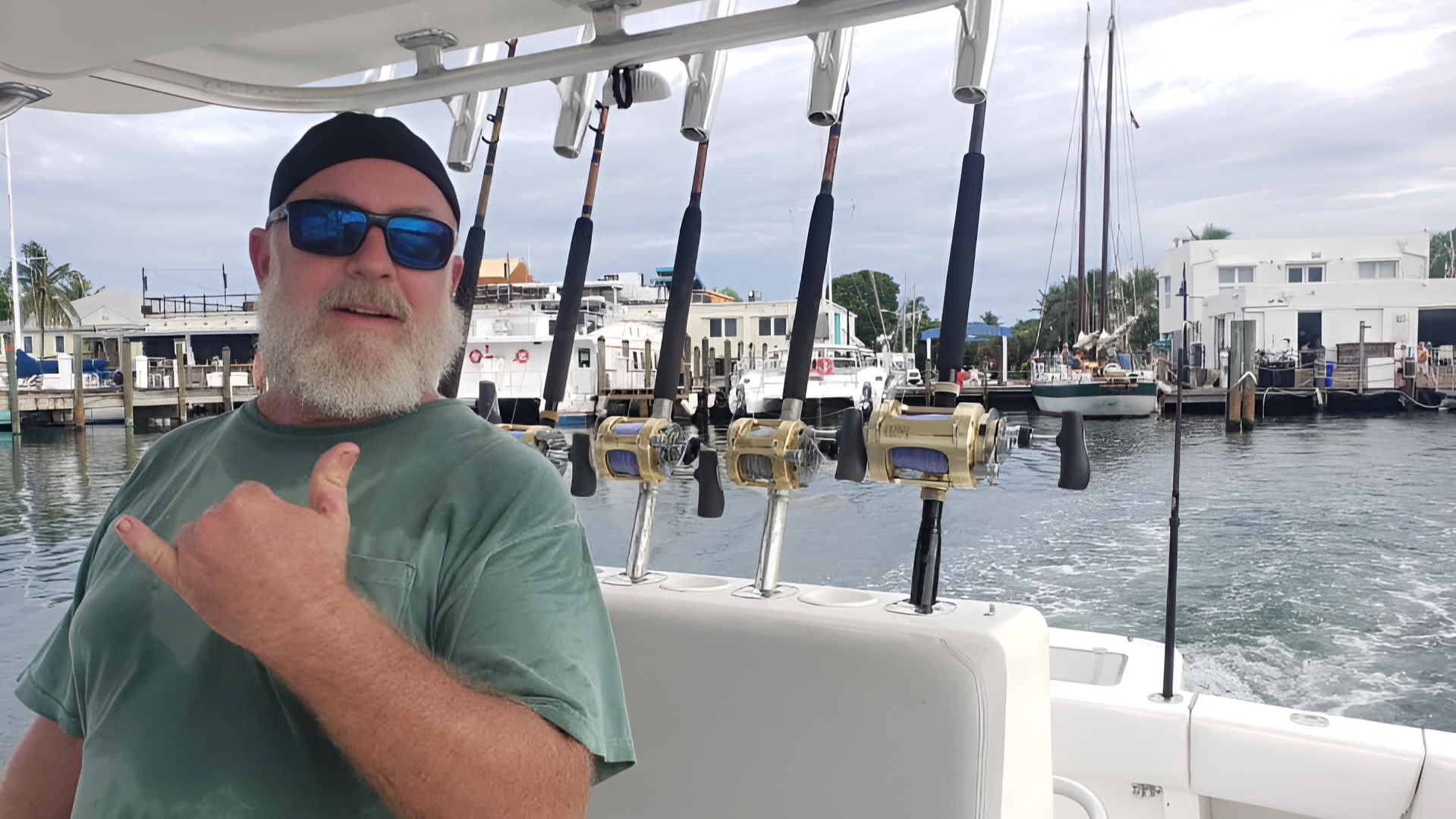
Meet your Captain Mike Helm
- Key West offshore fishing charter trips


Summary
Join a fishing charter in Key West and experience the adrenaline rush of battling a powerful swordfish. On Wednesday, May 21st, this electrifying offshore adventure delivers world-class action and unforgettable moments for serious anglers pursuing trophy catches in Florida waters.
Fishing Charter with Captain Mike Helm - Rates & Booking
Captain Mike Helm of The Helm Sportfishing operates out of Key West on Wednesday, May 21st, offering exhilarating fishing charters targeting premium offshore species. This fishing charter puts you on the deck with a seasoned professional who knows the waters and the conditions that trigger the biggest strikes. Experience the rush of hooking into a powerful swordfish and feel the raw power as these apex predators test your skills and equipment. To book your charter and secure your spot, contact The Helm Sportfishing directly for rates, availability, and trip details.
Highlights of Your Key West Fishing Adventure
Swordfish represent the ultimate offshore challenge - lightning-fast, incredibly strong, and packed with the kind of fight that keeps anglers coming back. The waters around Key West provide ideal conditions for targeting these magnificent billfish. When a swordfish hits hard and runs, the intensity is unmatched. Every second on the water brings the possibility of landing a trophy that will define your angling career.
Key West's offshore environment offers stunning blue water, excellent visibility, and prime swordfish habitat just minutes from the dock. The combination of professional expertise, well-maintained equipment, and proven techniques creates the perfect setup for serious fishermen ready to tackle one of the ocean's most formidable predators.
Local Species Insights: Swordfish
Swordfish are legendary deep-water predators that roam the Atlantic and Gulf of Mexico in pursuit of smaller fish. These remarkable creatures can weigh hundreds of pounds and are known for their aggressive strikes and explosive power. What makes swordfish fishing so thrilling is the unpredictability - they appear suddenly, hit with devastating force, and engage in extended battles that test angler strength and endurance.
The waters off Key West sit in a prime corridor for swordfish migration and feeding. The combination of deep channels, current systems, and abundant baitfish creates an ideal hunting ground. Swordfish in this region are highly active during certain seasons and tidal conditions. When conditions align and a swordfish commits to your bait, the resulting fight becomes an adrenaline-fueled spectacle.
Fishing for swordfish requires specialized tackle, strategic bait presentation, and patience. Captain Mike Helm's expertise in reading water conditions and positioning the boat for optimal strikes makes the difference between seeing swordfish and actually landing them. The experience demands focus, athleticism, and mental toughness - everything that makes offshore fishing so addictive.
Fishing in Key West: Swordfish
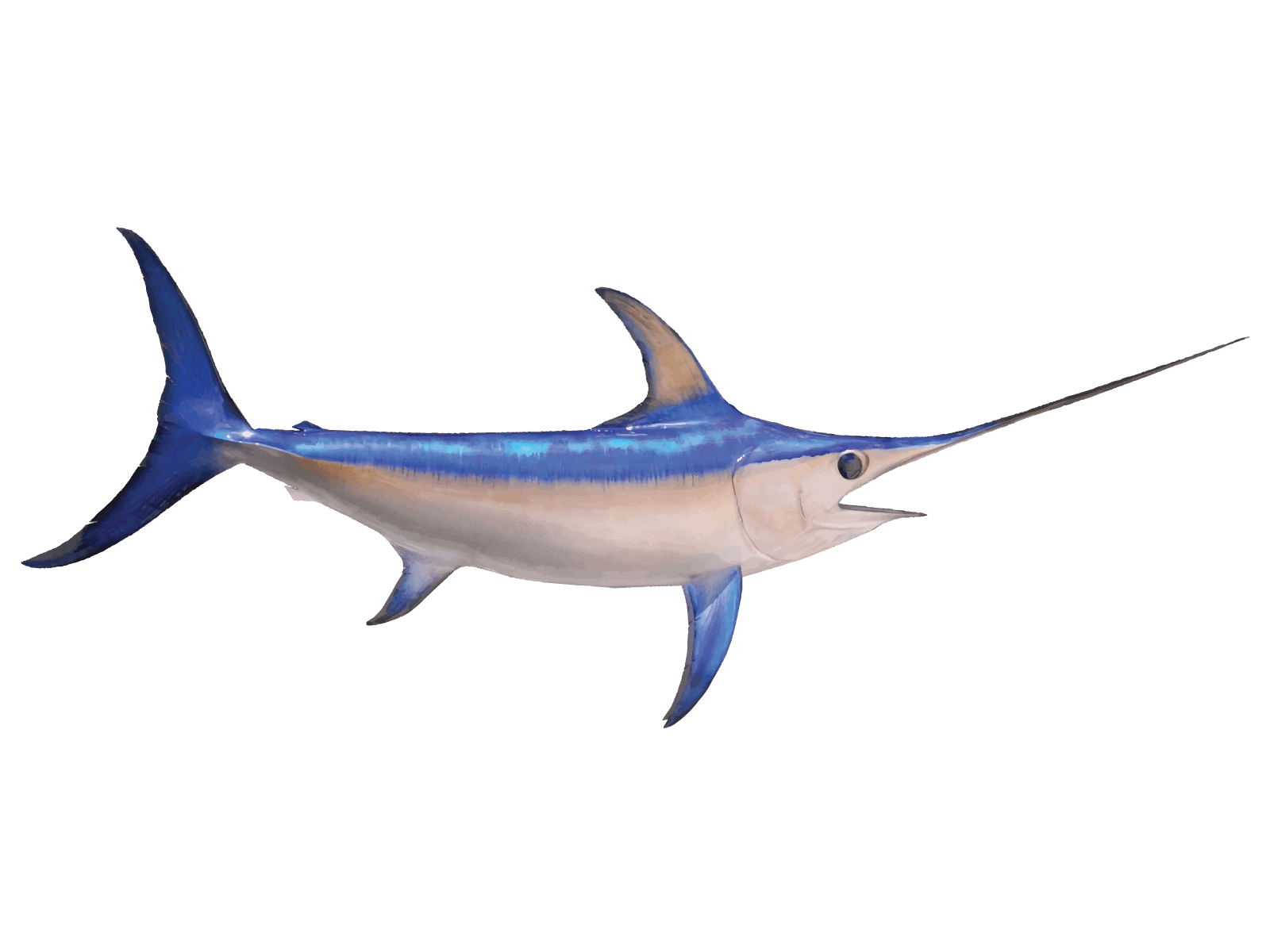
Swordfish Overview
The Swordfish (Xiphias gladius) is one of the ocean's most iconic and thrilling game fish, belonging to the family Xiphiidae and order Perciformes. This remarkable saltwater predator is instantly recognizable by its elongated, flat sword-like bill, grey-blue upper body, striking yellow lateral line, and silvery belly. What makes the swordfish truly special is that it's the sole member of its family—often confused with marlins, but completely unrelated. These scaleless giants are found in oceans worldwide and have captivated anglers and ocean enthusiasts for generations, from the Florida Keys to the Mediterranean. If you're planning a swordfish fishing adventure near Islamorada, Florida, or Virginia Beach, you're in for an unforgettable experience with one of the fastest and most powerful fish swimming in deep waters today.
Swordfish Habitat and Distribution
Swordfish are remarkably hardy and adaptive fish, thriving in both warm and cold ocean waters, though they show a strong preference for warmer waters ranging from 64 to 72°F. These highly migratory fish undertake epic journeys, moving thousands of miles annually to follow seasonal temperature changes—heading to warmer waters during winter months and cooler waters in summer. They inhabit deep meso-pelagic waters, typically dwelling at depths of 1,500 feet or more. North Atlantic populations migrate extensively along the eastern seacoast of the United States and Canada, while year-round populations are found throughout the Gulf of Mexico, the Caribbean, and Florida waters. The Mediterranean Sea and Atlantic Ocean also host robust populations. Premier swordfish hotspots include Florida Keys, Islamorada, Southern California, and Virginia Beach—each offering excellent opportunities to encounter these magnificent predators.
Swordfish Size and Weight
Swordfish are impressively large fish that command respect on any line. The average swordfish measures around 9 feet in length, but these fish can grow substantially larger, reaching up to 15 feet or more. Weight varies considerably with age and region; typical specimens weigh around 400 pounds on average, though record-breaking individuals have tipped the scales at over 1,180 pounds. Their substantial size, combined with their incredible speed—reaching 40 to 60 miles per hour—makes them one of the fastest fish species on Earth. This combination of bulk and velocity means a hooked swordfish delivers an adrenaline-pumping battle that few anglers will ever forget.
Swordfish Diet and Behavior
As carnivorous opportunistic hunters, swordfish feed on various smaller fish and invertebrates, with squid being a particular favorite. These fascinating predators employ a unique hunting technique: rather than spearing their prey as many assume, they slash their targets back and forth with their flat bills, stunning them before consuming the immobilized meal. This tactical approach makes them efficient hunters in the deep ocean. Swordfish are primarily nocturnal feeders, rising closer to the surface (around 300 feet) during nighttime hours to hunt, then descending to greater depths during daylight hours. Remarkably, unlike most fish, swordfish possess specialized heat-generating organs near their eyes and brain—a feature they share with sharks—that enhance their vision in dark deep-water environments. Adult swordfish face few natural predators aside from the occasional orca, though juvenile fish are vulnerable to a wider range of predatory species.
Swordfish Spawning and Seasonal Activity
Swordfish exhibit peak spawning activity from April through September, with timing influenced by water temperature and regional variations. This reproductive period is when migratory populations reach their destined spawning grounds. Female swordfish are prolific breeders, capable of producing an astounding 29 million eggs per spawning cycle—a biological strategy that ensures population survival despite fishing pressures. The highly migratory nature of swordfish means seasonal availability varies by location; anglers targeting these fish should time their trips according to local migration patterns. Winter months typically see reduced populations in northern regions as fish migrate to warmer waters, while the Caribbean and Gulf of Mexico maintain year-round presence.
Swordfish Techniques for Observation and Capture
Successfully fishing for swordfish requires patience, proper equipment, and an understanding of their deep-water habits. Deep-trolling is the standard and most effective method, with experienced anglers using specialized gear: a 6-foot fast-action rod paired with a 5 to 7-foot leader featuring a 300 to 600-pound swivel. Deploy 2 to 3 lights positioned approximately 45 to 50 feet along your line to attract these deep dwellers, as their large, adapted eyes are drawn to illumination in the darkness. Use heavy sinkers—32 ounces in strong currents, or 24 ounces in calmer conditions—to maintain proper depth. Swordfish fishing demands substantial line weight; 80 to 120-pound test is recommended given the possibility of tangling with an 800-plus-pound specimen. Use 9/0 to 11/0 hooks to accommodate their large mouths. Brightly colored lures with skirts work excellently, as the subtle glistening attracts their vision-adapted eyes. Fresh squid chunks, barracuda, and other pelagic fish make effective baits. Around Islamorada, Florida, charter captains often depart at dusk or nighttime to capitalize on the swordfish's nocturnal feeding behavior. While rare, extreme fly fishermen have successfully landed smaller swordfish using 14-weight rods, 20-pound snippets, and large 10/0 to 11/0 hooks—a thrilling (if unconventional) approach for the adventurous angler.
Swordfish Culinary and Nutritional Notes
Beyond the thrill of the catch, swordfish offers legitimate culinary value and impressive nutritional benefits. A 3-ounce serving of grilled swordfish contains 108 milligrams of EPA (eicosapentaenoic acid) and 656 milligrams of DHA (docosahexaenoic acid)—omega-3 fatty acids renowned for cardiovascular health. According to the U.S. Department of Health and Human Services, consuming at least 8 ounces of seafood weekly may significantly lower your risk of cardiac death. Swordfish meat is firm, mildly flavored, and versatile in the kitchen, taking well to grilling, broiling, and pan-searing. The flesh is generally pale to pinkish and holds its texture beautifully during cooking. Sustainability considerations apply; always verify local regulations and responsible fishing practices, as some swordfish populations have faced overfishing pressures. When sourced responsibly, this magnificent fish makes an excellent table fare that rewards both the angler and the dinner table.
Swordfish Frequently Asked Questions
Q: What is the best bait for catching swordfish?
A: Squid is the swordfish's preferred meal and makes excellent bait. Fresh chunks of barracuda and other pelagic fish are also highly effective. Pair your bait with brightly colored lures featuring skirts to maximize visibility in deep waters where these fish hunt.
Q: Where can I find swordfish near Florida?
A: Swordfish are found year-round throughout Florida waters, particularly in the Gulf of Mexico, Caribbean, and around the Florida Keys. Islamorada and the southern Florida coast are premier destinations. Virginia Beach, Southern California, and throughout the Atlantic offer excellent opportunities during migration seasons.
Q: When is the best time to catch swordfish?
A: Swordfish are primarily nocturnal feeders, making nighttime and dusk the optimal fishing windows. They feed at approximately 300 feet depth during night hours. Peak spawning season runs from April through September, during which populations concentrate in specific regions.
Q: What type of rod and reel do I need for swordfish fishing?
A: A 6-foot fast-action rod with 80 to 120-pound test line is standard. Pair this with a robust reel capable of handling substantial pressure. For extreme fly anglers, a 14-weight rod with large 10/0 to 11/0 hooks can work on smaller specimens, though conventional tackle is far more practical.
Q: How fast can swordfish swim, and why does that matter?
A: Swordfish reach incredible speeds of 40 to 60 miles per hour, making them among the fastest fish on Earth. This speed, combined with their average 400-pound weight and powerful bill, means they deliver explosive runs and require heavy-duty tackle and strong skill to successfully land.
Q: Is swordfish healthy to eat?
A: Yes, swordfish is nutritionally excellent, rich in omega-3 fatty acids (EPA and DHA) linked to heart health. A 3-ounce serving provides substantial cardioprotective compounds. The firm, mildly flavored flesh is versatile for grilling and pan-searing. Always source responsibly and verify local regulations regarding sustainability.