%2Ffit-in%2F250x250%2Fguide_websites%2F133626%2Fimages%2F1779406494070298568190_430713759090019_29314516424804333_n.jpg&w=1920&q=100)
/users/a71227f8-f033-4f2c-a4f8-1d92850c6745/ratecard/3-mpg48mox.jpg)
%2F300x300%2Fusers%2Fa71227f8-f033-4f2c-a4f8-1d92850c6745%2Fratecard%2F3-mpg48mox.jpg&w=256&q=75)
%2F300x300%2Fusers%2Fa71227f8-f033-4f2c-a4f8-1d92850c6745%2Fimages%2Fkey-west-sportfishing-charter-boat-2399.jpg&w=256&q=75)
%2F300x300%2Fusers%2Fa71227f8-f033-4f2c-a4f8-1d92850c6745%2Fimages%2Fkey-west-charter-fishing-boat-2509.jpg&w=256&q=75)
%2F300x300%2Fusers%2Fa71227f8-f033-4f2c-a4f8-1d92850c6745%2Fimages%2Fkey-west-mahi-mahi-catch-2684.jpg&w=256&q=75)
%2F300x300%2Fusers%2Fa71227f8-f033-4f2c-a4f8-1d92850c6745%2Fimages%2Fkey-west-atlantic-sailfish-catch-2771.jpg&w=256&q=75)
%2F300x300%2Fusers%2Fa71227f8-f033-4f2c-a4f8-1d92850c6745%2Fimages%2Fkey-west-fishing-trip-2592.jpg&w=256&q=75)
%2F300x300%2Fusers%2Fa71227f8-f033-4f2c-a4f8-1d92850c6745%2Fimages%2Fkey-west-little-tunny-fishing-2654.jpg&w=256&q=75)
%2F300x300%2Fusers%2Fa71227f8-f033-4f2c-a4f8-1d92850c6745%2Fimages%2Fkey-west-swordfish-catch-2723.jpg&w=256&q=75)
%2F300x300%2Fusers%2Fa71227f8-f033-4f2c-a4f8-1d92850c6745%2Fimages%2Fkey-west-fishing-catch-boat-2600.jpg&w=256&q=75)
%2F300x300%2Fusers%2Fa71227f8-f033-4f2c-a4f8-1d92850c6745%2Fimages%2Fkey-west-swordfish-catch-2712.jpg&w=256&q=75)
%2F300x300%2Fusers%2Fa71227f8-f033-4f2c-a4f8-1d92850c6745%2Fimages%2Fkey-west-mahi-mahi-catch-2703.jpg&w=256&q=75)
Full Day Offshore Key West Helm Sportfishing
What you will be catching:
 Atlantic Sailfish
 Great Barracuda
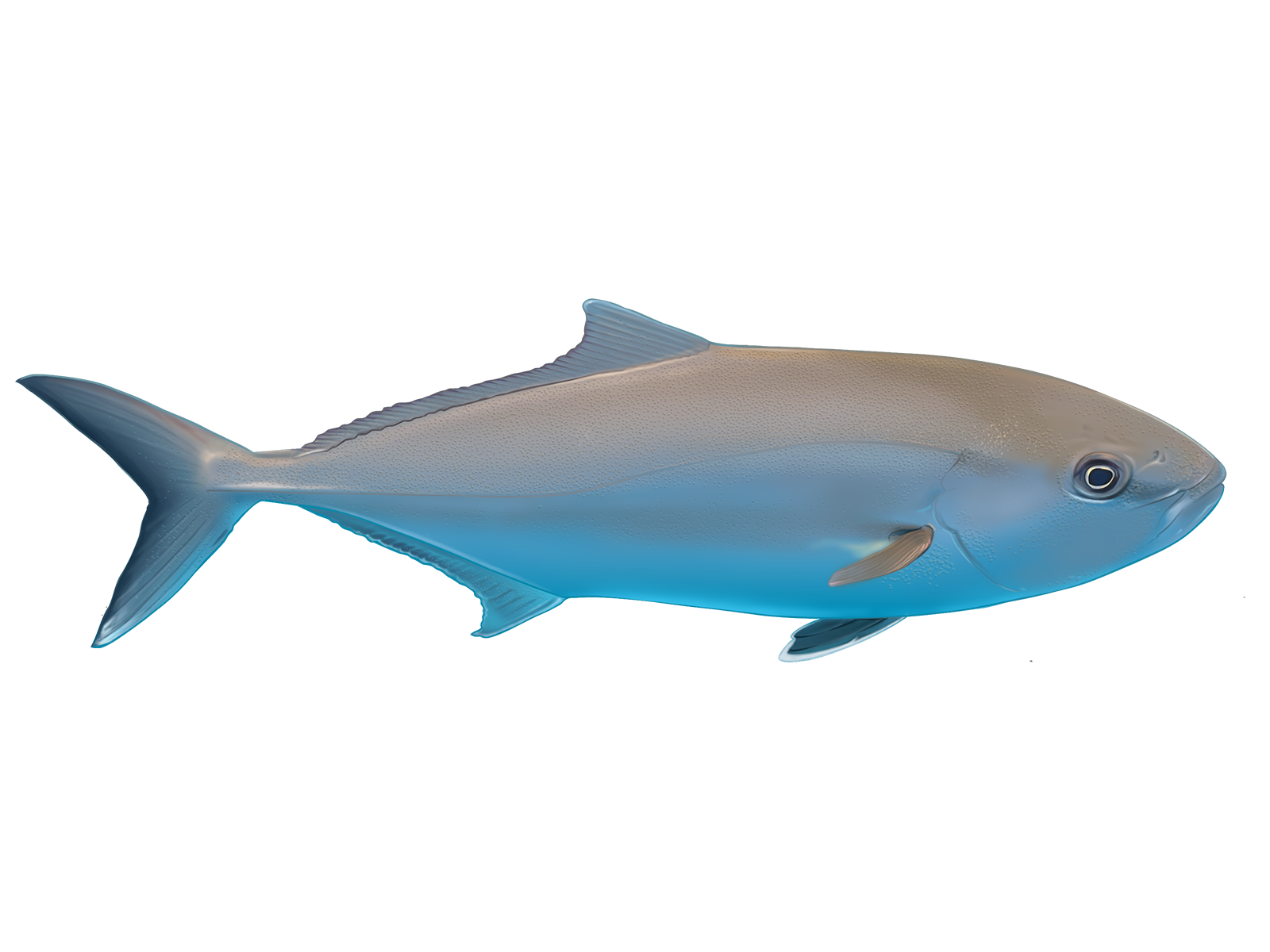 Greater Amberjack
 King Mackerel
 Mahi Mahi or Common Dolphinfish
- This full-day offshore charter takes you into Key West's deep waters for serious big game fishing. You'll spend 8 hours targeting marlin, sailfish, mahi mahi, tuna, and wahoo using proven techniques like trolling and kite fishing. The extended time gives Captain flexibility to reach the best fishing grounds and stay on hot spots longer. Your experienced First Mate handles all the details while you focus on fighting fish. Everything's included
- rods, reels, tackle, and licenses. With room for up to 6 anglers, it's perfect for groups wanting a legitimate shot at trophy fish in some of Florida's most productive waters.
Trip Pricing and Availabilities:
8 Hour Key West Fishing Charter
When you're ready to get serious about offshore fishing in Key West, this full-day charter puts you right where the action happens. We're talking eight solid hours on the water, targeting the big game species that make these waters legendary. With room for up to six anglers, departure at 7:30 AM, and all your gear handled by the crew, this trip gives you the time and setup needed to chase marlin, sailfish, and everything else swimming in the deep blue. Your captain knows these waters like the back of their hand, and with a dedicated first mate keeping everything running smooth, you can focus on what you came here for - hooking into fish that'll have you talking for years.
What to Expect on the Water
This isn't your typical half-day run to the reef. We're heading to the deep water where the real monsters live, and staying out there long enough to make it count. The extra hours give your captain flexibility to move around, follow the bait, and put you on fish when they're biting. Some days that means running 20 miles offshore to find the right temperature break, other days the action's closer in. Either way, you've got time to work multiple spots and techniques. The boat's rigged with top-shelf tackle, from heavy trolling setups to lighter spinning gear for when the dolphins show up. Your first mate handles the details - rigging baits, working the outriggers, and making sure you're connected when something big decides to eat. Whether you've been doing this for decades or this is your first time chasing billfish, the crew adjusts to your experience level and keeps everyone in the game.
Techniques That Get Results
Out here, it's all about reading the water and adapting to what the fish want. Most of the day you'll be trolling - multiple lines spread out behind the boat, covering water and looking for that telltale splash or screaming reel. We're talking ballyhoo, diving plugs, and skirted baits worked at different depths and speeds. When conditions are right, the captain might break out the kites. This technique gets live baits dancing on the surface, and when sailfish or marlin see that action, they often can't resist. If we mark good bottom structure or find a productive wreck, bottom fishing comes into play. Heavy jigs and live bait dropped down for amberjack and whatever else is holding deep. The beauty of having eight hours is switching between these methods based on what's working. Some trips start slow on the troll, then explode when we find a school of dolphin under floating grass. Other days, the kites produce steady sailfish action all morning. Your crew reads the signs and puts you where you need to be.
Top Catches This Season
Atlantic Sailfish are the crown jewel of Key West offshore fishing, and for good reason. These fish hit like freight trains, then put on an aerial show that'll leave your arms shaking and your heart pounding. Most of our sails run 6-8 feet long, and when they're lit up with those electric blues and purples during the fight, it's something special. Peak season runs from December through April, when the fish are thick and aggressive. What makes them so exciting isn't just the jumps - it's how smart they are. They'll throw the hook, dive under the boat, or team up with other sails to create chaos you won't believe.
King Mackerel might not jump like sailfish, but they make up for it with pure speed and attitude. These fish are built for one thing - eating everything in sight and fighting dirty when hooked. Keys kings typically run 15-40 pounds, with the occasional monster pushing 50. They show up year-round but really turn on during spring and fall migrations. When a big king hits a trolled bait, that first run will test your drag system and your grip. They love to make long, powerful runs straight away from the boat, then turn and charge back toward you. Keep pressure on them or they'll throw the hook every time.
Mahi Mahi bring the party wherever they show up. These fish travel in schools, hit aggressively, and fight with a combination of jumps, runs, and stubborn bulldogging that keeps you guessing. Most dolphin in our waters run 10-25 pounds, with bulls occasionally reaching 40-plus. They're around year-round but peak from May through August. What anglers love about mahi is their willingness to bite almost anything and their habit of staying with the boat after you hook the first one. Find a good school of dolphin, and you might boat a dozen fish before they finally move on. Plus, they're absolutely beautiful fish and fantastic on the table.
Greater Amberjack are the muscle cars of the reef and wreck world. These bruisers live around structure and fight like they're trying to drag your boat to the bottom. Typical AJs run 20-60 pounds, and every ounce shows in the fight. They hit hard, dive straight down, and use their broad sides to create maximum resistance. Peak season runs from October through March, when they're thick around the wrecks and ready to eat big baits. What makes amberjack special is their complete unwillingness to give up. Even when you think you've got them beat, they'll find another gear and make another run for the bottom.
Great Barracuda are the wild cards of Key West fishing. These apex predators lurk around reefs and grass flats, waiting to ambush anything that looks like an easy meal. Cuda here run from small 2-footers to monsters over 5 feet long, and they all share the same aggressive attitude. They hit faster than almost any fish in the ocean and fight with a combination of blistering runs and powerful head shakes that'll rattle your fillings. What makes barracuda exciting is you never know when one will show up. They might crash a trolled bait meant for sailfish or attack a jig you're working for amberjack. When a big cuda decides to eat, you better hold on tight